Power outages can strike without warning—whether from severe weather, grid failures, or unexpected equipment issues. When the lights go out, so does your comfort, safety, and peace of mind. That’s why more homeowners are turning to backup generators as a reliable solution.
In this post, we’ll explain the benefits of installing a home generator, how the process works, and why professional installation is key to getting the most out of your investment.
What Is a Home Backup Generator?
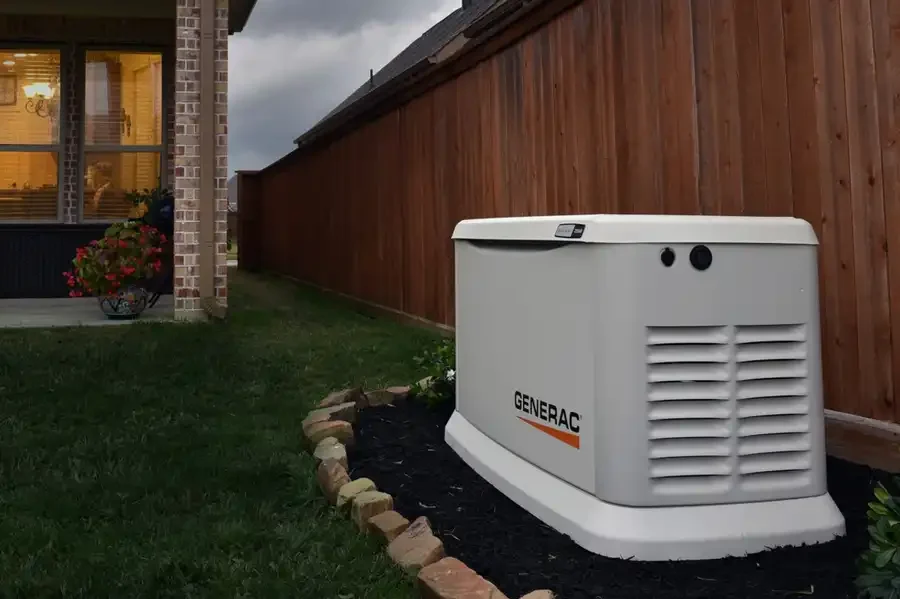
A home backup generator is a permanent power solution that automatically kicks in when your main electrical service fails. Unlike portable generators, whole-house systems are connected directly to your electrical panel and often run on natural gas or propane for seamless, long-lasting operation.
Depending on your needs, generators can power just essential systems (like lights, refrigerators, and medical devices) or keep your entire home running.
Benefits of Installing a Home Generator
-
Uninterrupted Power – No more spoiled food, lost internet, or freezing nights during an outage.
-
Safety & Security – Keep security systems, smoke alarms, and medical equipment running without interruption.
-
Home Value Boost – A professionally installed generator can increase your home’s value and appeal to buyers.
-
Automatic Operation – Generators sense outages and turn on within seconds—no manual startup needed.
-
Peace of Mind – Whether you’re home or away, you can rest easy knowing your home is protected.
How Generator Installation Works
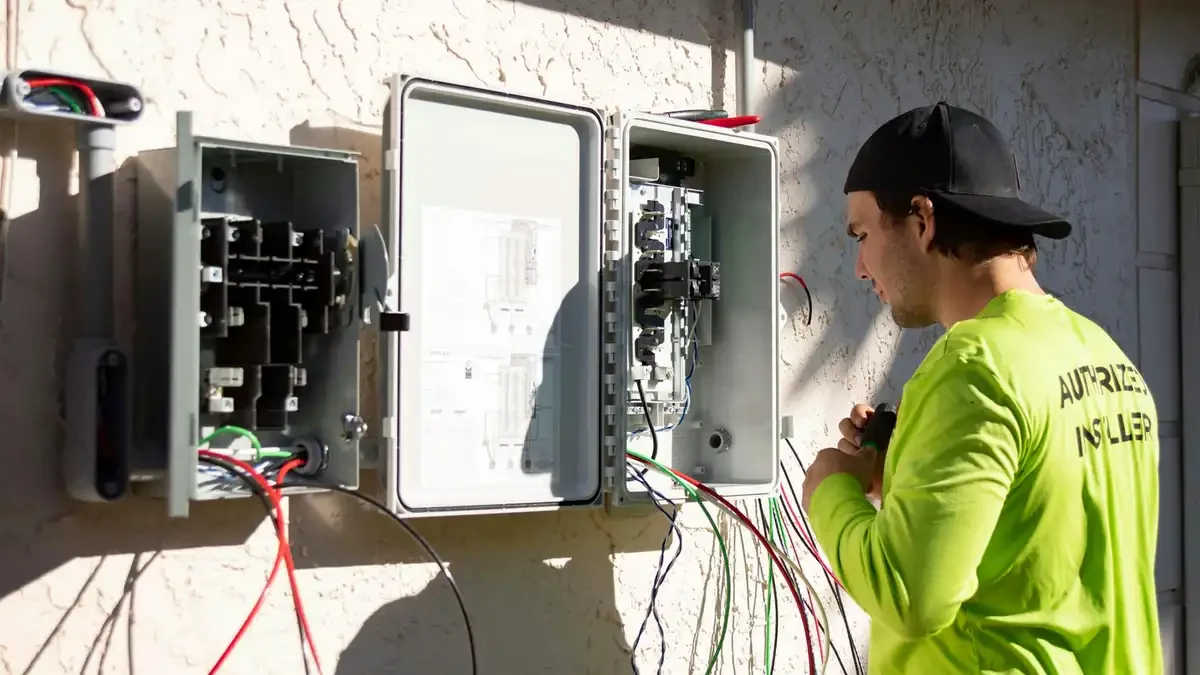
Installing a backup generator isn’t a DIY project—it requires professional expertise, permitting, and coordination with utility providers. Here’s what to expect:
-
Assessment – A licensed electrician will evaluate your home’s energy needs and recommend the right generator size and type.
-
Permits & Planning – Your installer will handle any necessary permits and site planning to ensure safe, code-compliant installation.
-
Installation – The generator is placed on a level pad (usually outside), connected to your electrical panel, and tied into a fuel source (like propane or natural gas).
-
Testing & Inspection – Once installed, the system is thoroughly tested, and you’ll be shown how to operate it confidently.
-
Ongoing Maintenance – Like any appliance, generators need occasional servicing to ensure they’re ready when needed.
Choosing the Right Generator for Your Home
Generators come in various sizes and power capacities. Smaller units may cover just a few circuits, while whole-home systems can keep everything running as usual. A professional installer will help determine the best option based on:
-
Your home’s square footage
-
Number of essential appliances
-
Local climate and outage frequency
-
Fuel availability (natural gas, propane, diesel)
Trust the Pros for Safe, Reliable Installation
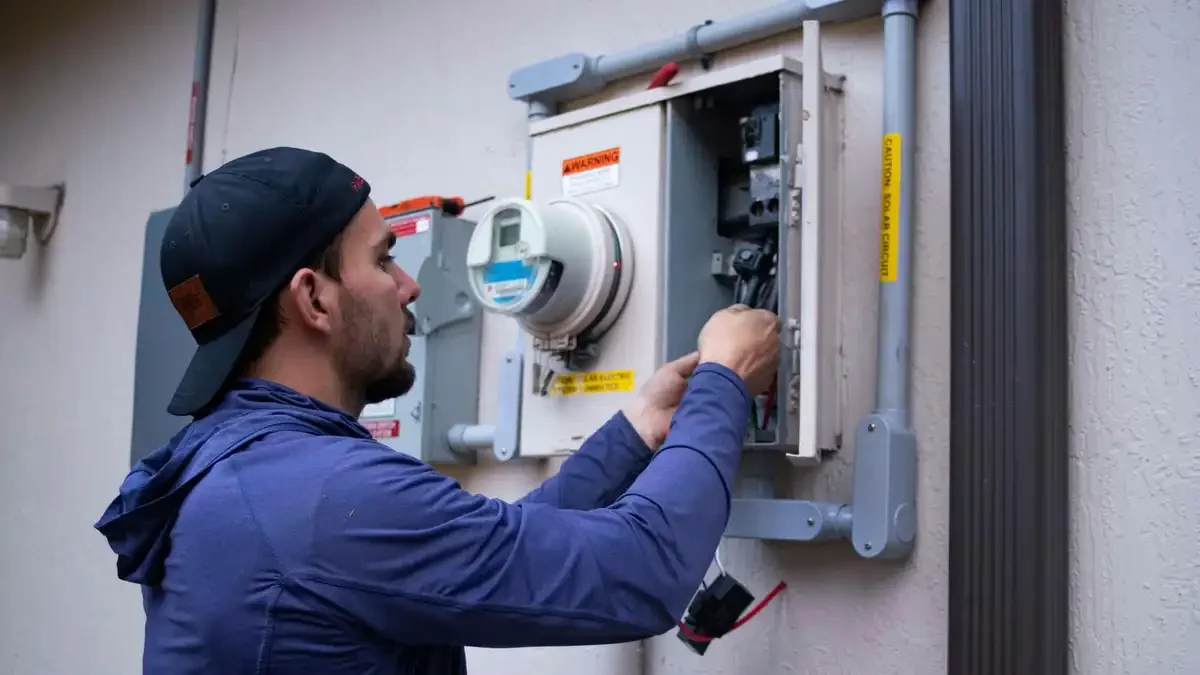
Generator installation involves high-voltage connections, fuel lines, and local electrical codes—it’s not something to leave to chance. Working with a licensed electrician ensures your system is installed correctly, safely, and built to last.
We specialize in professional home generator installation for peace of mind you can count on. From choosing the right unit to ongoing maintenance, we make the process easy, safe, and stress-free.
Get Prepared Before the Next Outage
Don’t wait until the next blackout to think about backup power. A professionally installed generator can keep your family safe and your life running smoothly—no matter what the weather throws your way.
Ready to protect your home? Contact us today to schedule a generator consultation and take the first step toward total power peace of mind.